1. Visa & Entry Policy
Q1: Do I need a Chinese tourist visa to travel to Shanghai? Which nationalities qualify for visa-free / transit visa-free entry? What documents are required for the 144-hour transit visa-free policy?
A: Most foreign nationals need to apply for a tourist visa in advance. Citizens of 55 eligible countries can enjoy the 144-hour transit visa-free scheme. Required materials: valid passport, confirmed intercontinental connecting tickets to a third country/region within 144 hours, hotel reservations. Eligible visitors may stay within Shanghai, Jiangsu and Zhejiang provinces
Q2: What is the maximum allowed stay under transit visa-free? Can I travel to Suzhou or Hangzhou and return to Shanghai without invalidating my visa-free status?
A: Maximum stay is 144 hours starting from midnight the day after entry. You can take day trips to Suzhou and Hangzhou within the three-region zone, which complies with transit visa-free rulesDo not travel outside Shanghai, Jiangsu, Zhejiang.
Q3: Will customs check hotel bookings and round-trip flight tickets upon arrival? What paperwork may be inspected randomly?
A: Customs may randomly verify your passport, return flight tickets, hotel reservation slips and travel itinerary. Always carry physical or digital copies of these documents.
Q4: What validity and blank page requirements apply to my passport?
A: Passport must remain valid for at least 6 months after your departure date, with a minimum of 2 blank visa pages.
2. Payment & Currency (Top Concern for Overseas Tourists)
Q1: Is Shanghai fully cashless? Can I pay with Visa/Mastercard at small shops, taxis and street food stalls?
A: Large malls, international hotels and chain restaurants accept foreign credit cards. Street vendors, small convenience stores and regular taxis mostly only accept RMB cash or Chinese mobile payment.
Q2: How can foreigners register Alipay/WeChat Pay and link overseas bank cards? Do I need a Chinese local phone number?
A: Alipay Tour Pass supports overseas card binding with your foreign mobile number for verification, no China SIM required. WeChat Pay also accepts Visa/Mastercard after passport real-name authentication. A local SIM simplifies verification steps.
Q3: Where offers the best exchange rate for RMB? Airport, hotel or bank? How to get small denomination cash?
A: Banks provide the most favorable exchange rates with low fees. Airport and hotel exchange desks charge higher commissions. Exchange small bills at bank branches for street food and small vendors.
Q4: Can I travel around Shanghai only carrying cash? What venues exclusively accept mobile payment?
A: Cash works for basic travel but is inconvenient. Metro vending machines, shared transport, many local restaurants and mini shops prioritize QR mobile payment only.
3. Internet, Language & Communication
Q1: Can I access Google Maps, WhatsApp, Instagram and YouTube in Shanghai? What SIM/eSIM should I purchase?
A: Overseas social media and Google services are inaccessible without special tools. Purchase a China tourist SIM or eSIM at the airport for domestic internet (Baidu Maps, WeChat work normally).
Q2: Where can I buy a local SIM card? Do airport telecom counters offer English service? Is international roaming expensive?
A: Telecom shops in airport arrival halls have multilingual staff selling tourist SIM data plans. Foreign carrier roaming data charges are extremely costly.
Q3: Do shopkeepers and taxi drivers speak English? Most restaurant menus have no English translations, how to order food?
A: Staff at top attractions and 5-star hotels speak basic English; local small vendors rarely speak English. Use photo translation apps to show dish pictures when ordering.
Q4: What translation apps are recommended? Do offline translation functions work reliably?
A: Baidu Translate and Google Translate offline packages are recommended. Download offline Chinese language packs before arrival for use without Wi-Fi.
4. Local Transportation
Airport to Downtown Transfer
Q1: How to travel from Pudong International Airport to city center? Maglev, metro or taxi – which is cost-effective? How long does each option take and what’s the approximate fare?
A: Maglev (fastest, 7 mins to Longyang Road, higher price); Metro Line 2 (cheapest, 1–1.5 hours); licensed taxis (most convenient, heavy traffic surcharges). Avoid unlicensed private cars outside exits.
Q2: How to get to downtown from Hongqiao Airport / Hongqiao High-Speed Railway Station? Do most international flights land at Pudong or Hongqiao?
A: Hongqiao connects directly via Metro Line 2/10. Nearly all international flights arrive at Pudong Airport; Hongqiao mainly serves domestic flights and high-speed trains.
Q3: Are unlicensed black taxis common at airports? How to identify official regulated taxis?
A: Licensed taxis have uniform yellow/blue vehicle branding, official taxi meters and receipt printers. Reject drivers quoting fixed prices without meters.
City Inner Transport
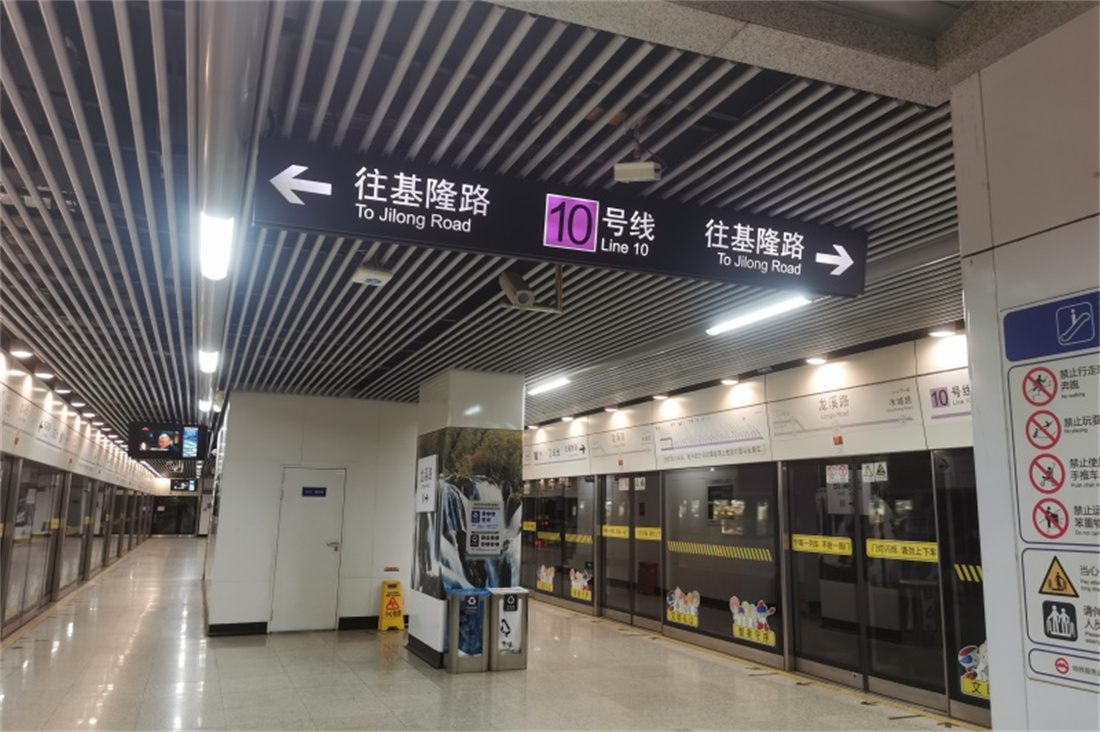
Q1: Does Shanghai Metro have English signage? How to buy single tickets or tourist transport cards? How to apply for and refund deposit on visitor transport cards?
A: All metro stations feature full English signs. Buy temporary metro cards at station vending machines with cash; return cards at any station counter before departure to get your deposit refunded.
Q2: Uber cannot be used in China. How to register Didi, switch to English interface and bind overseas credit cards?
A: Download Didi Chuxing App, set language to English, register with your foreign mobile number and link Visa/Mastercard for payments; built-in real-time translation for driver communication.
Q3: Can foreign tourists rent shared city bikes? Is a local Chinese phone number mandatory?
A: Most shared bike platforms require Chinese ID and domestic phone registration, unavailable for overseas visitors.
Q4: Should I walk or take metro between the Bund, Yu Garden and Wukang Road? Shanghai is huge, how to plan routes to avoid backtracking?
A: Short distances between Bund & Yu Garden are walkable; cross-district spots like Wukang Road require metro. Group nearby attractions together for daily itineraries to save travel time.
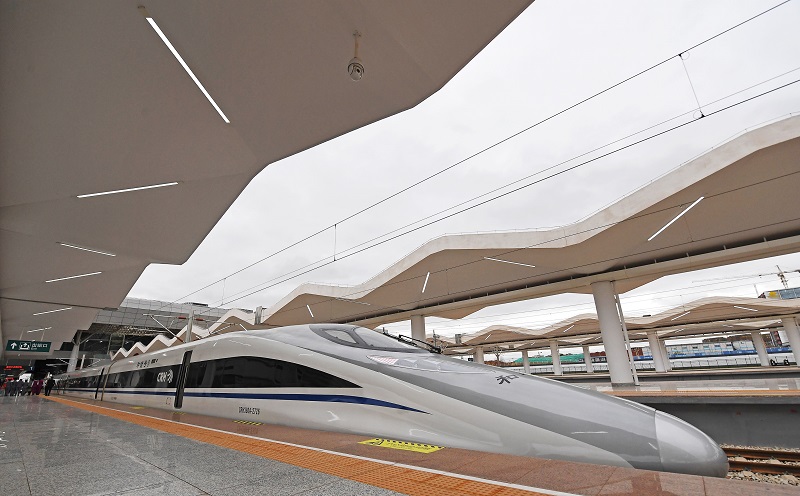
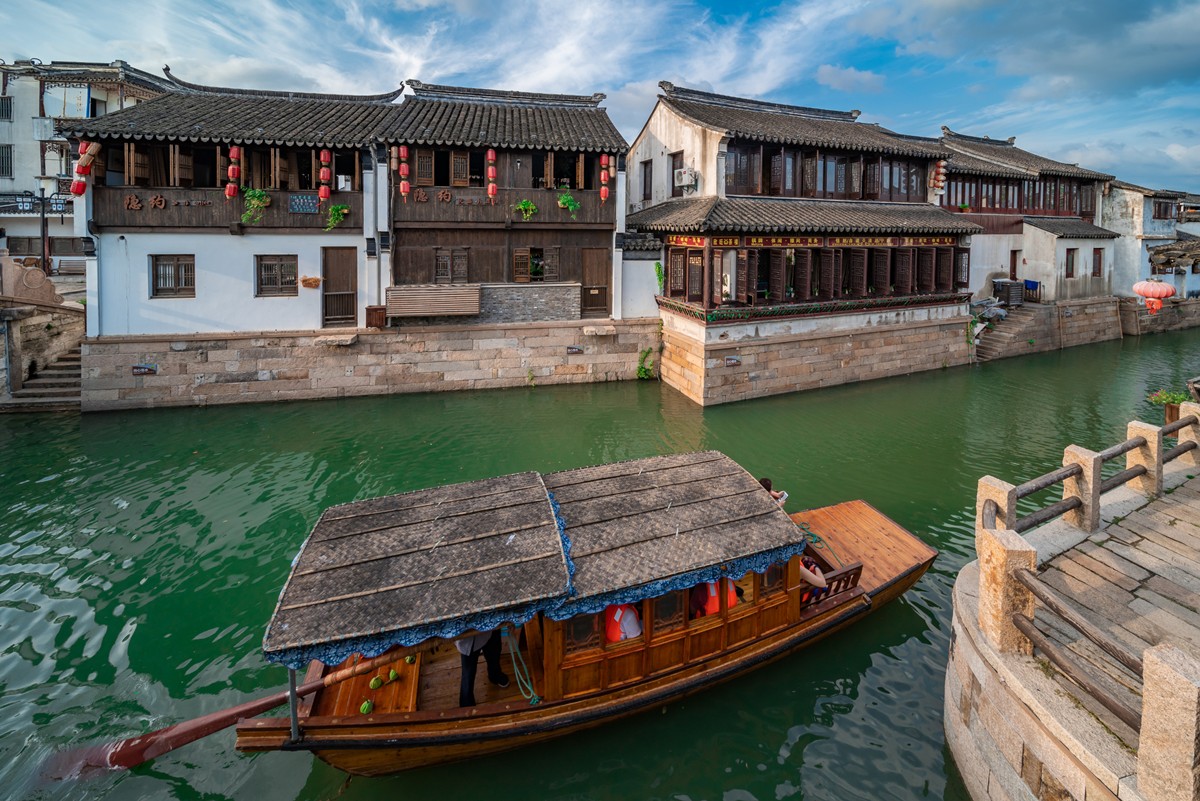
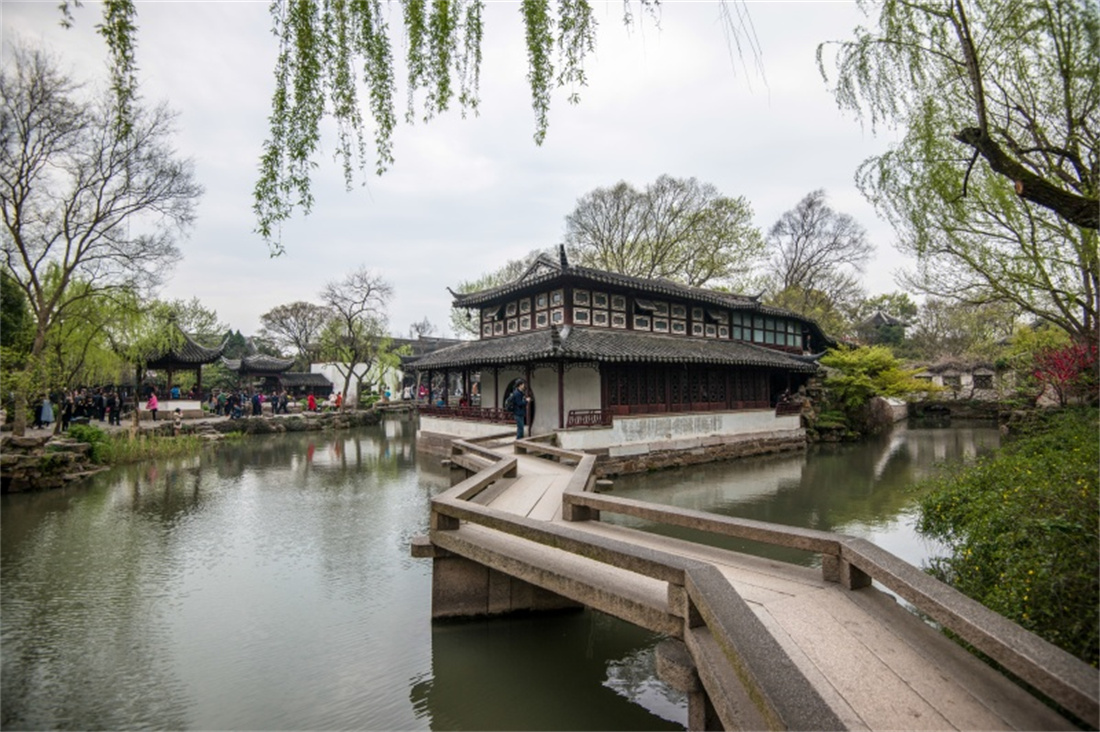
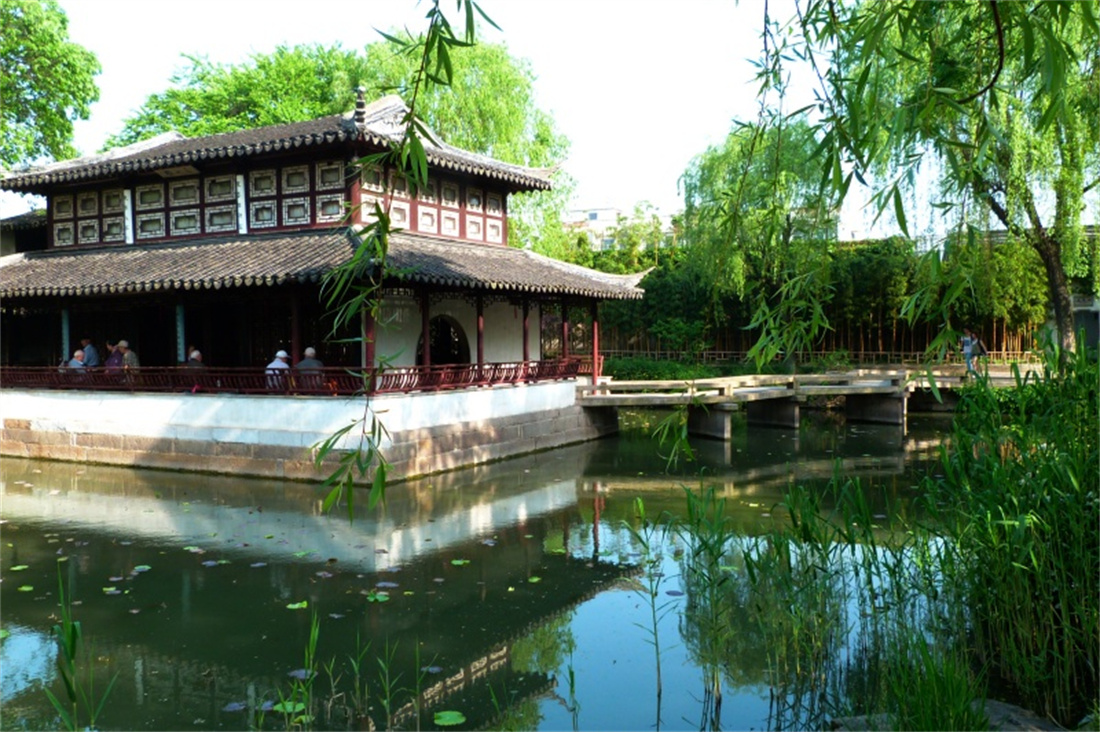
Q5: How to travel to Zhujiajiao Water Town or take Suzhou one-day trips? How can foreigners book high-speed train tickets online with passports?
A: Zhujiajiao via metro + local bus. High-speed train tickets can be booked via official railway app with passport ID, or ask hotel reception to assist ticket purchase.
5. Accommodation, Itinerary Planning & Attractions
Q1: Which district is the most convenient for first-time visitors to stay? Bund, French Concession, Lujiazui or Jing’an Temple? What are pros and cons of each area?
A:
· The Bund / Nanjing Road: Iconic river views, walkable landmarks, noisy tourist crowds
· Jing’an / Xintiandi (Former French Concession): Trendy cafes, old villa streets, premium dining
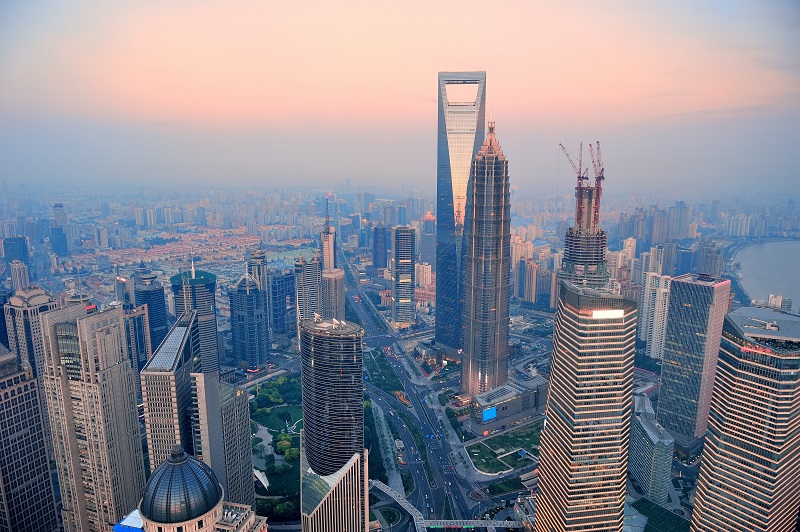
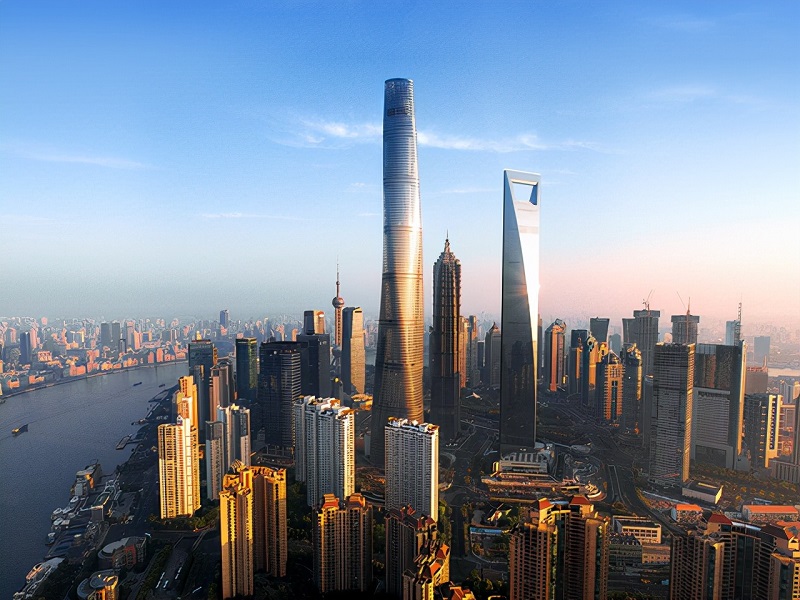
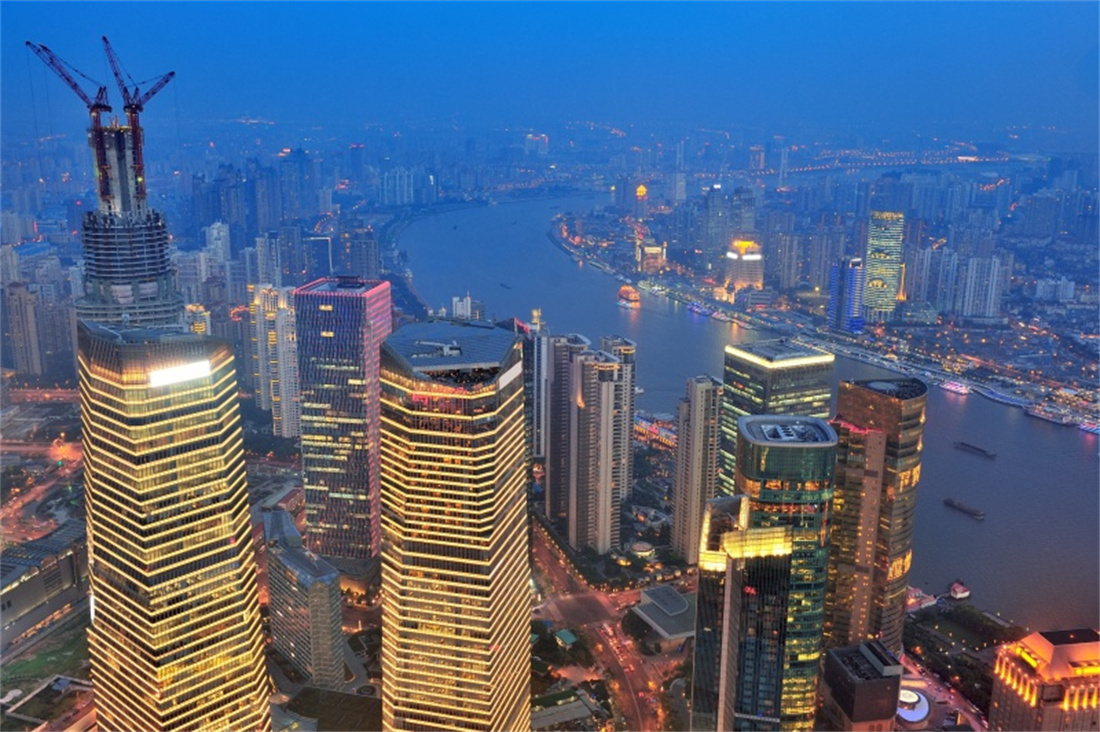
· Lujiazui: Skyscraper skyline views, high hotel prices, far from old town attractions
Q2: How many days are ideal for a Shanghai trip? What classic itineraries for 3 days and 5 days respectively?
A: 3 full days for core downtown highlights; 5 days if adding Shanghai Disneyland and water town day trips (Zhujiajiao/Suzhou).
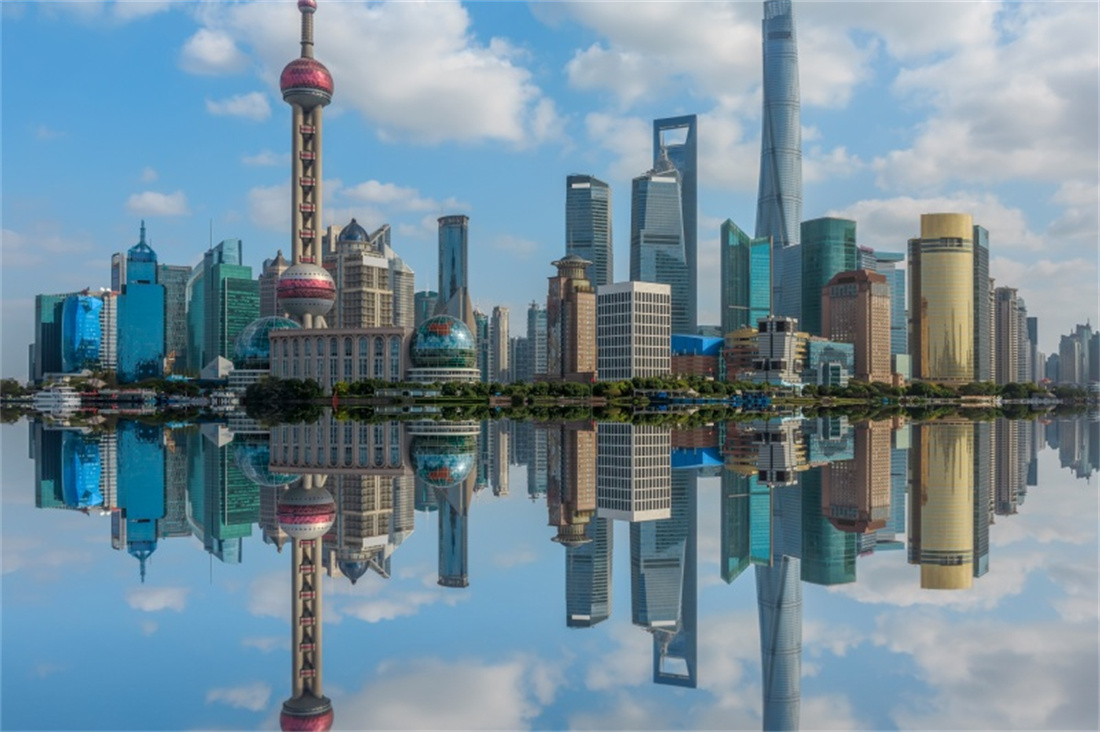
Q3: Must-see spots: The Bund, Oriental Pearl Tower, Shanghai Tower, Yu Garden, Tianzifang, Wukang Building. Which ones are worth buying tickets for observation decks? Can I take photos for free without entry tickets?
A: Paid observation decks: Shanghai Tower and Oriental Pearl Tower for panoramic skyline. Free photo spots: The Bund waterfront, Wukang Building facade, Tianzifang pedestrian alleys.
Q4: How far in advance should I book Shanghai Disneyland tickets? What passport rules apply for park entry? Tips to skip long queues during peak hours?
A: Book tickets 7–10 days early online. All visitors must present original passports for gate verification. Arrive at park opening or purchase premium fast-pass services to avoid crowds.
Q5: There are many aggressive salespeople around Yu Garden market, how to avoid tourist scams? What is the common tea shop fraud?
A: Politely decline unsolicited guides, tea tasting, jade and silk sales pitches. The tea shop scam lures tourists for free tastings then forces overpriced tea purchases. Do not follow random street promoters.
Q6: Which museums offer free admission? Is advance reservation required? Can foreigners enter with passports only?
A: Shanghai Museum and most city public museums are free. Online reservation with passport ID is compulsory on weekends and holidays.
Q7: What is the best travel season for Shanghai? What clothes to pack for plum rain season, hot humid summer and damp cold winter?
A: Spring (April–May) & Autumn (Oct–Nov) have mild comfortable weather. Summer brings high heat, humidity and frequent plum rains (bring rain gear, sun protection); winter is cold and damp (pack thick coats, scarves).
6. Food, Catering & Local Customs
Q1: How to order local specialties like xiaolongbao, shengjian mantou and red-braised pork without Chinese menus?
A: Use translation camera functions to scan menus, or show food reference pictures to restaurant servers.
Q2: Are street food stalls hygienic? Is tap water safe to drink? Can I drink hotel hot water?
A: Reputable street stalls are generally safe for tourists. Never drink tap water directly; bottled water is widely sold. Hotel boiled hot water is drinkable.
Q3: Is tipping required in restaurants, hotels or taxis? Does China have a tipping culture?
A: Tipping is not part of local custom; no extra tips expected anywhere.
Q4: Are vegetarian and halal restaurants easy to locate? Which districts concentrate Western cafes and restaurants?
A: Central downtown areas (Xintiandi, Jing’an, Nanjing West Road) have abundant Western, vegetarian and halal eateries.
Q5: How to sort domestic waste? Public trash bins are scarce, how to carry rubbish while sightseeing?
A: Carry small portable garbage bags for waste disposal. Strict waste sorting rules apply indoors; most scenic areas have unified trash bins.
Q6: Can I smoke indoors or inside scenic spots? Are penalties strict for smoking in non-smoking zones?
A: All indoor venues, metro stations and major tourist sites are fully smoke-free with heavy fines for violations. Designated outdoor smoking zones are limited.
7. Safety, Shopping, Culture & Miscellaneous Tips
Q1: How safe is Shanghai overall? Is solo female travel secure? Are evening walks along the Bund or Nanjing Road risky?
A: Shanghai has extremely low crime rates. Walking downtown and the Bund late at night is completely safe for solo travelers.
Q2: Are jade and silk sales at Nanjing Road & Yu Garden reliable? How to bargain for souvenirs? What is the tax refund process for luxury goods?
A: Street vendor jewelry/silk shops often mark up prices heavily; bargain firmly for small souvenirs. For tax-free shopping, complete customs refund procedures at the airport departure hall before your flight.
Q3: Where to find pharmacies and emergency medical care? Are English-speaking pharmacies available? Can I bring personal prescription medicine into China?
A: Large chain pharmacies near hotels offer basic English service. Carry original prescription labels for all medication you bring through customs; prohibited drugs are banned entry.
Q4: What voltage and plug types are used in China? Do I need a travel adapter?
A: Domestic voltage 220V, Type A/I flat three-pin sockets. Bring a universal travel adapter for international electronics.
Q5: Are public restrooms widely available? Do they provide Western-style sitting toilets?
A: Shopping malls, hotels and major scenic spots have Western toilets. Small roadside public toilets may only have squat-style facilities.
Q6: Can I book a private car for a one-day round trip to Suzhou/Hangzhou? Is a same-day return schedule feasible?
A: Private car day trips are available but schedules will be tight; high-speed trains offer faster, more efficient one-day travel.
Q7: What precautions for travel during peak holidays (Spring Festival, National Day)? Will local shops close and attractions be overcrowded?
A: Book accommodation and attraction tickets weeks in advance. Many family-run small shops close during Spring Festival; National Day brings massive crowds to all landmark sites.